
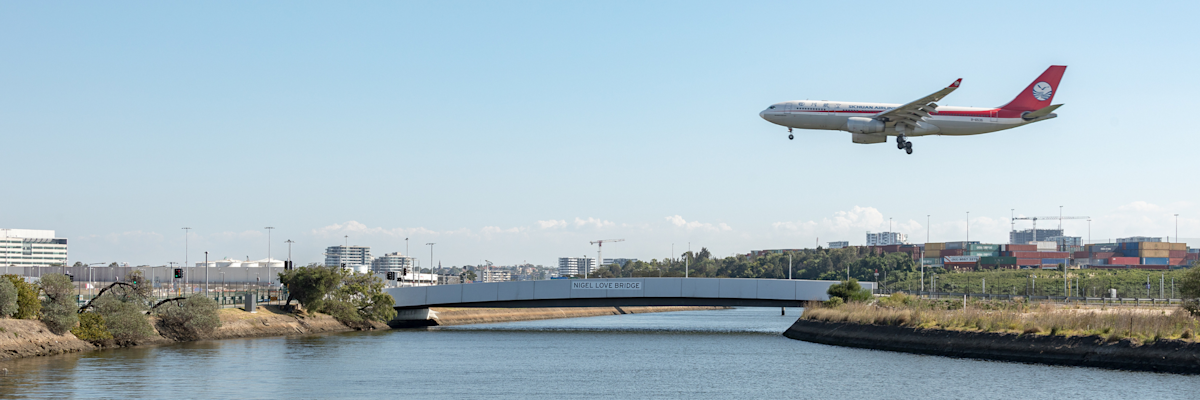
Environment
Overview
Sydney Airport, like all major airports around the world, has an impact on the environment.
We aim to manage and minimise these impacts by taking steps to operate sustainably and help protect our community and surroundings.
Watch Film
Managing our environmental footprint
Master Plan 2045 sets out how we plan to manage and minimise our environmental impacts.
It includes an Airport Environment Strategy that details our action plans for the next five years. These plans guide us in continuously improving how we manage environmental issues while supporting the airport’s growth.
Pollution Management
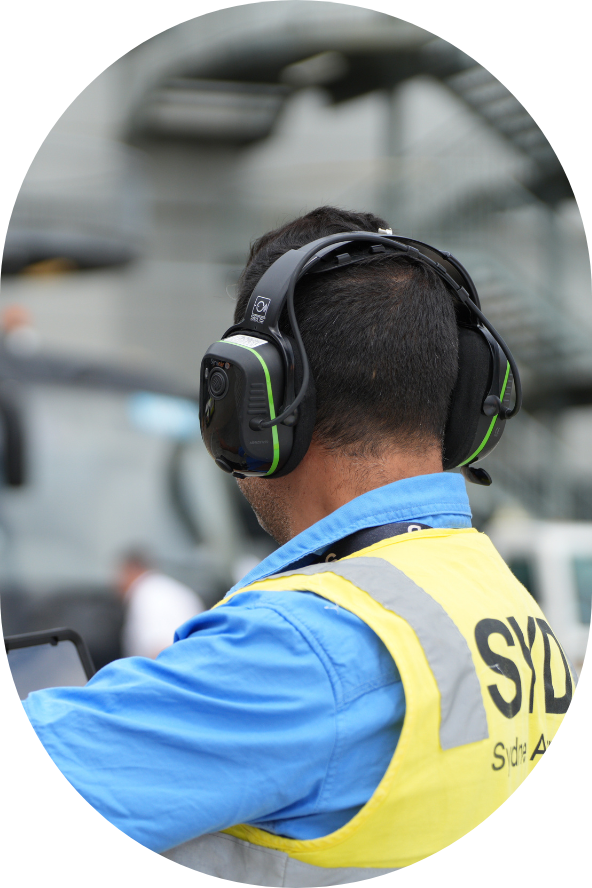
We are committed to managing pollution and protecting the local environment as the airport grows. Our approach covers air, water, ground-based activities, and legacy contamination, with ongoing monitoring and improvement programs.
-
Air Quality – We monitor pollutants like nitrogen oxides, particulate matter, and VOCs. The airport contributes less than 2% of local air emissions, and future increases will be mitigated by electrification and sustainable fuels.
-
Surface Water Quality – Surrounding waterways, including Botany Bay and the Sydney Airport Wetlands, are regularly monitored. Stormwater, sewer overflows, and legacy chemicals are managed to protect water quality.
-
Ground-Based Noise – Noise from vehicles, aircraft support equipment, and engine runs is monitored and managed to reduce community impact. In-flight aircraft noise is managed separately by Airservices Australia.
-
Contamination Management – Legacy contamination from past fuel storage, firefighting exercises (PFAS), and aircraft maintenance is carefully managed. Investigations, monitoring, and guidelines ensure safe operations for workers and the surrounding environment.
Flora, Fauna and Heritage
We’re committed to protecting local biodiversity, wildlife, and heritage — including significant First Nations heritage — across Sydney Airport’s lands.
-
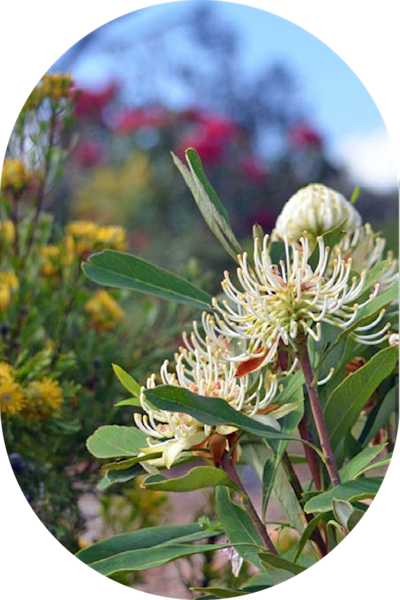
Flora - We’ve planted green spaces across the airport to restore vegetation, improve air quality, cool the environment, and provide shelter for wildlife. All plantings meet strict aviation safety requirements to avoid attracting large birds or bats, ensuring safety and sustainability go hand-in-hand.
-
Fauna - We monitor and protect local wildlife while maintaining aviation safety. This includes endangered species such as the Pied Oystercatcher and Little Tern, as well as migratory birds like Channel-billed Cuckoos and Bar-tailed Godwits. Habitat rehabilitation in areas like Engine Pond East, Mill Pond, and Tower Beach supports biodiversity across the site.
-
Heritage - Sydney Airport sits on the lands of the Dharawal people, who have cared for this Country for thousands of years. We work closely with the Gujaga Foundation and through our Reconciliation Action Plan to respect cultural heritage. Our Heritage Management Plan also protects important aviation and historic sites, including the ATC Tower, Alexandra Canal, Botany Pumping Station, Engine and Mill Ponds, and Sewage Pumping Station 38.
Sustainability
We are committed to minimising our environmental footprint across operations and development, focusing on efficient resource use, responsible waste management, and reduced emissions.
-
Greenhouse gas emissions – Reducing emissions through energy-efficient upgrades, renewable energy projects, and smarter operations to support Australia’s net zero goals.
-
Natural resource use – Managing water, materials, and energy responsibly by reusing resources, upgrading infrastructure, and designing flexible, sustainable spaces.
-
Waste management – Reducing, recycling, and diverting waste from landfill wherever possible while working with partners to improve airport-wide waste outcomes.