
Airfield upgrades
Overview
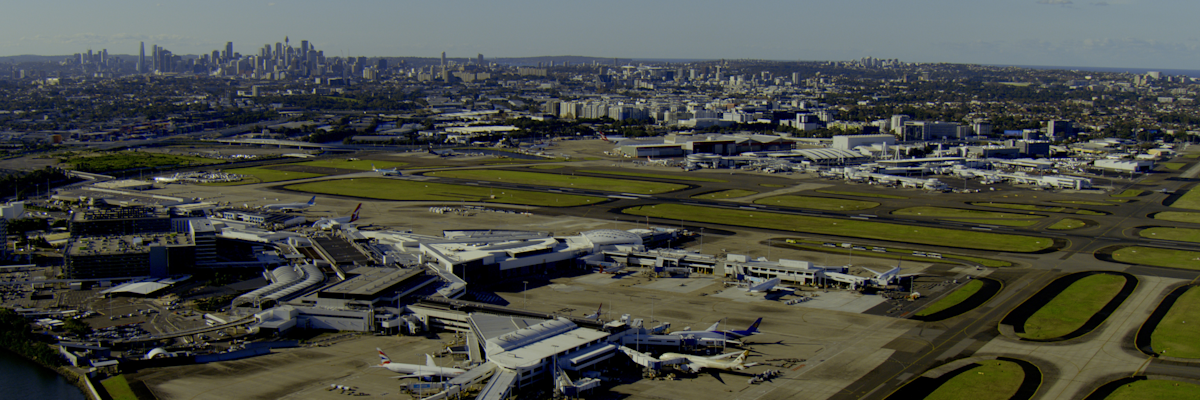
Our Master Plan 2045 includes upgrades to improve the efficiency of Sydney Airport’s airfield.
Our planned upgrades will create increased capacity for passengers, flights and airfreight. Minimising environmental impacts and promoting sustainable growth is a key priority whilst upgrading the airfield.
Watch Film
Building with sustainability at the core
We’ll keep doing our part to protect the environment and reduce emissions as the airport grows.
That means being ready for new, cleaner and more fuel efficient aircraft, like those using sustainable fuel, hydrogen, or even electric power in the future. We’ll also make sure future airport projects are built with sustainability front and centre.

More aircraft parking
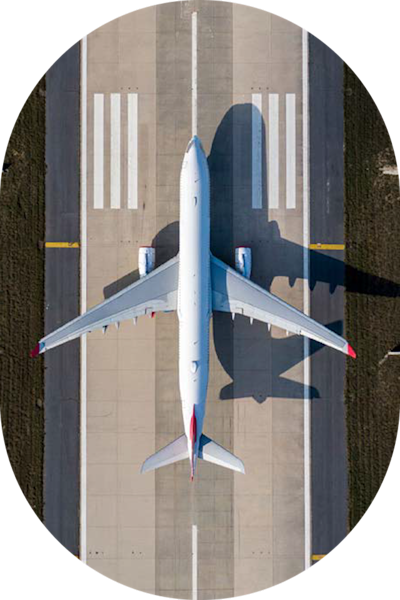
Additional gates at T1 International and new active remote aircraft parking stands in the North East, South West and South East Sectors.

Smarter taxiways
Enhanced taxiways to improve aircraft flow, reduce delays, and manage disruptions more effectively.

Safer airfield operations
Design changes remove the need for aircraft in the North East Sector to cross Runway 16R/34L, improving safety and efficiency.

Future-ready design
Flexible infrastructure to meet 2045 aircraft parking demand and adapt to changing airline needs.
Improving facilities for airfreight
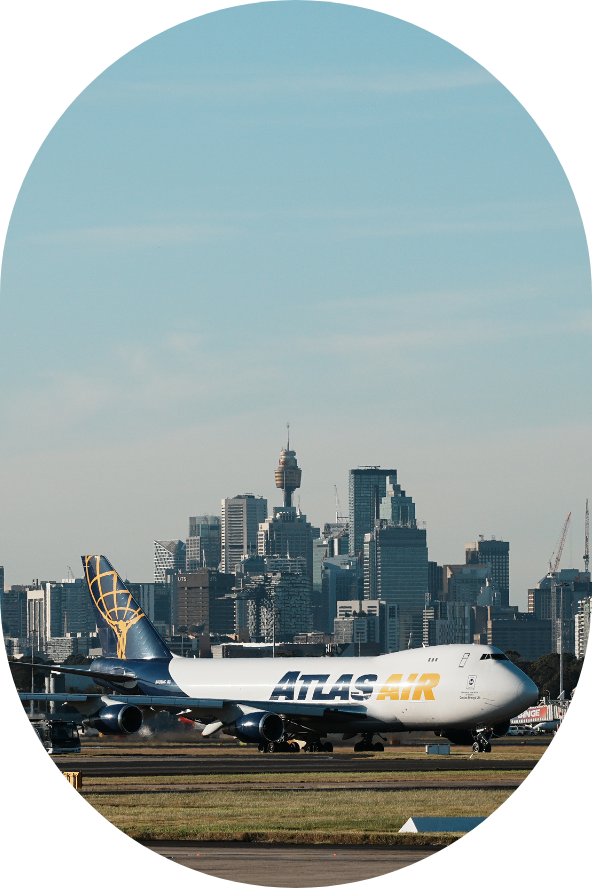
Airfreight is set to grow from 600,000 tonnes today to 1.4 million tonnes by 2045, and Sydney Airport is preparing to handle this increase efficiently. We’re upgrading and expanding our freight facilities at T1 International and T2/T3 Integrated Operations Precincts and building new facilities in the Northern Lands and South East sectors.
These improvements will make freight processing faster, safer, and less disruptive to passenger traffic. Full-service on-airport facilities will also help make the whole freight network more efficient, supporting local jobs and the economy.
We're working closely with freight partners to make sure our operations meet global standards while benefiting the community and Australia’s trade.
New airfield infrastructure

Storage
Additional storage at aircraft gates for equipment used to service and support aircraft operations, improving efficiency and safety.

Fuel
More fuel storage, upgraded pumps, and extended hydrant lines to new terminal extensions and aircraft parking areas.

Navigation and surveillance
Improved air navigation and surveillance technology, benefiting safety, airlines, airport operations and passengers.